Call Center Support
Call us if you need help.
021 9676

Call center – 0219676
Monday – Friday: 09:00–17:00

Cardiology – 0726.297.272
Monday – Friday: 08:00–20:00

Orthopedics – 0746.223.500
Monday – Friday: 08:00–20:00

Outpatient clinic:
Monday – Friday: 08:00–20:00
Saturday: 07:00-12:00

Ambulance:
Monday – Friday: 07:00–16:30
Saturday: 07:00–10:00

See the location

Obstetrics – Gynecology and Assisted Human Reproduction (IVF)

Our medical team covers an extensive range of specialties, providing patients with modern, personalized care based on the latest medical standards.

Dedicated Call Center
Mon–Fri, 9:00–17:00, Tel.: 0219676

Advanced reproductive and gynecological health care

This medical specialty brings together complete evaluation of women's health, infertility treatment, solutions for gynecological pathology and pregnancy monitoring. Patients benefit from modern investigations, updated protocols and minimally invasive interventions, adapted to each stage of reproductive life.

Obstetrics – Gynecology at Metropolitan Hospital

The Obstetrics-Gynecology Department operates through a direct partnership between Metropolitan Hospital and Genesis Athens – the largest infertility treatment center in Southeastern Europe and an international benchmark with over 20 years of clinical experience. The team of doctors specialized in infertility, reproductive medicine, obstetrics and complex gynecological surgery offers a complete approach, starting from diagnosis to long-term treatment and monitoring.

Patients benefit from direct access to the largest IVF laboratory in Romania and Southeastern Europe, operated by Genesis Athens, with a success rate at European and international standards. The comprehensive approach to each patient allows for the correct assessment of the causes of infertility, optimization of treatment protocols and minimally invasive interventions when anatomical corrections are necessary to increase the chances of pregnancy.

Endometriosis, a globally recognized condition, is evaluated and treated in the Obstetrics-Gynecology department of Metropolitan Hospital by a team of highly specialized, internationally trained surgeons, whose main goal is to preserve fertility and speedy recovery. The surgical interventions performed target mild, moderate and severe forms of endometriosis, uterine fibroids and ovarian pathology, using state-of-the-art laparoscopic and hysteroscopic techniques.

For oncological conditions, the gynecological surgery oncology team treats cervical, endometrial, ovarian and vulvar cancers, as well as suspicious breast lesions. Care is provided as a team, in collaboration with specialists in imaging, pathological anatomy and genetics, for a correct diagnosis and personalized treatment.

All these services are integrated into a clear and well-organized, patient-centered approach so that each person benefits from a complete, personalized and safe care plan.

Our team actively participates in national subsidized IVF programs, providing expanded access to high-performance treatments for couples who want a child. 

Social program of national interest to support couples and single people, to increase the birth rate – more details here.

IVF Program 3 – A chance for infertile couples – more details here.

INFANT 2025 Program – Constanța City Hall – more details here.

IVF Laboratory at Metropolitan Hospital

Excellence in embryology and advanced reproductive technology

Where life begins: the essential role of embryology – the core of modern fertility treatments

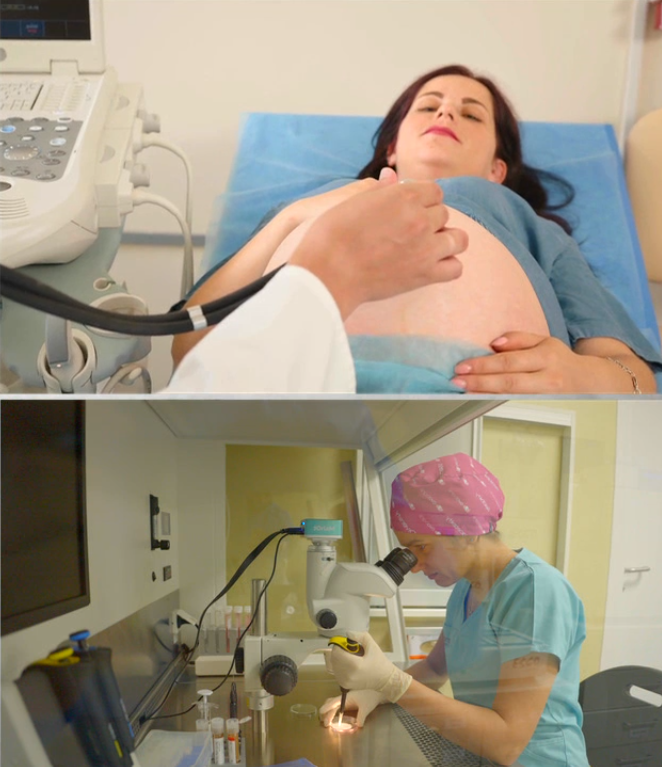
Embryology is where the process of achieving a pregnancy truly begins. The laboratory is where fertilization, development, and embryo selection take place, all under strictly controlled working conditions. This is where critical decisions are made that influence the real chances of success for couples undergoing IVF treatment.

The IVF Laboratory at Metropolitan Hospital, operated by Genesis Athens, is home to the largest team of embryologists in the country, most of whom have over 20 years of combined experience in treating infertility and in vitro fertilization procedures.

In the IVF laboratory, every step is managed under controlled, carefully monitored conditions — from fertilization and embryo culture, to embryo selection and cryopreservation. We constantly invest in modern equipment to recreate an „artificial uterus,” an ideal environment in which embryos can develop to the blastocyst stage (day 5–6).

Why do patients choose our IVF laboratory?
• The largest team of infertility specialists in Romania
• The largest IVF laboratory in Romania and Southeastern Europe.
• Constant success rate, at European standards.
• Rigorous quality protocol, state-of-the-art micro-manipulation equipment and technologies.

Patient-centered care

The patient experience is our priority: accurate assessment, clear communication, and ongoing support. We offer a simple, professional, and safe medical journey — from diagnosis to recovery — in a comfortable environment and with the necessary guidance every step of the way.

Personalized care

Plans tailored to each patient, with transparent medical decisions and constant support.

Dedicated support

Monitoring and prompt intervention when necessary.

Rapid interventions

Priority access to effective investigations and treatments, without unnecessary waiting times.

Modern Obstetrics-Gynecology treatments

Treatments and investigations cover the entire scope of reproductive and gynecological health, offering modern solutions for diagnosis, treatment and monitoring.

Infertility diagnosis
• Evaluation of ovarian reserve (hormonal profile, AMH, AFC)
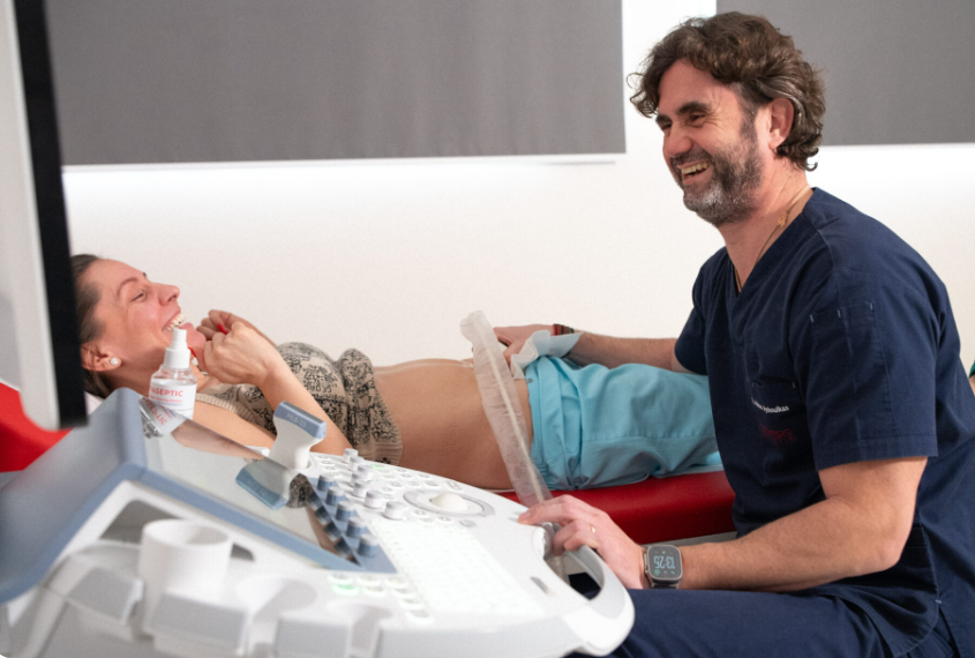
• Transvaginal ultrasound
• Evaluation of fallopian tubes and uterine pathology (hysteroscopy, hysterosonography, etc.)
• Evaluation of male causes of infertility (spermogram, DNA fragmentation)
• Other specific medical investigations and analyses
Obstetrics and pregnancy monitoring
• Prenatal consultations
• Prenatal screening
• Fetal morphology
• Monitoring pregnancies achieved through IVF
• Management of pregnancy with associated pathologies
Minimally invasive gynecological procedures
Laparoscopy – endometriosis, fibroids, ovarian cysts, adhesions, tubal pathology
• Hysteroscopy – polyps, intracavitary fibroids, uterine septum, synechiae, uterine cavity abnormalities
Endometriosis and complex gynecological pathology
• Complete evaluation for endometriosis
• Deep endometriosis treatment
Adenomyosis
• Chronic pelvic pain
• Associated ovarian pathology
Gynecological oncological surgery
• Cervical cancer
Endometrial cancer
• Ovarian cancer
• Vulvar cancer
• Suspicious breast pathology
Genetic testing and counseling
• Genetic screening
• PGT-A
• PGT-SR
• PGT-M
Embryonic biopsy
• Genetic counseling

Modern procedures and treatments IVF Laboratory

The embryology laboratory uses scientifically validated methods for fertilization, development and selection of embryos under optimal conditions. The procedures are adapted to each couple, depending on their medical history and the particularities of the treatment cycle.

In vitro fertilization (IVF)
Fertilization of the oocyte in the laboratory, either in a natural cycle or with controlled stimulation.
ICSI – intracytoplasmic sperm injection
Assisted human reproduction technique in which a single sperm is injected directly into the oocyte, being used to increase the fertilization rate, especially in cases of male infertility.
Embryo freezing (vitrification)
Fast and safe method of preserving embryos for later use.
Assisted hatching
Thinning of the zona pellucida to facilitate implantation of the embryo in the uterus.
TESE – testicular sperm extraction and processing
Recommended procedure in severe cases of male infertility.
Embryonic genetic testing (PGT)
Embryo biopsy to identify chromosomal or genetic abnormalities before transfer.

Obstetrics and Gynecology Doctors

Prof. Dr. Konstantinos Pantos

Doctor of Gynecology

Prof. Dr. Radu Vladareanu

Primary Physician, Professor Doctor of Gynecology

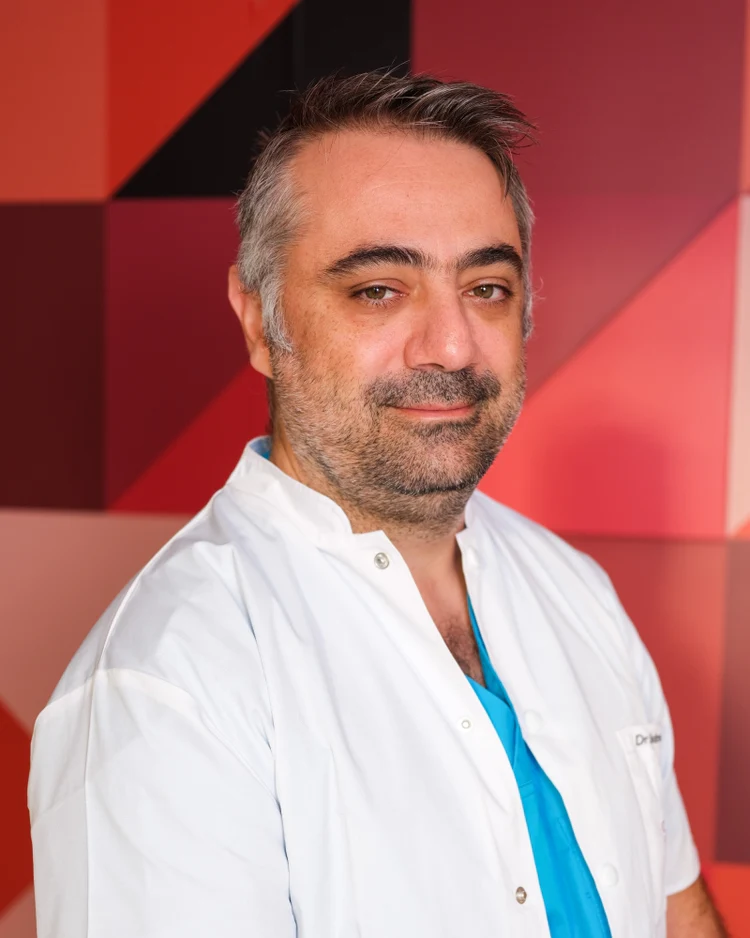
Dr. Chadi Muheidli

Primary Obstetrics-Gynecology Physician

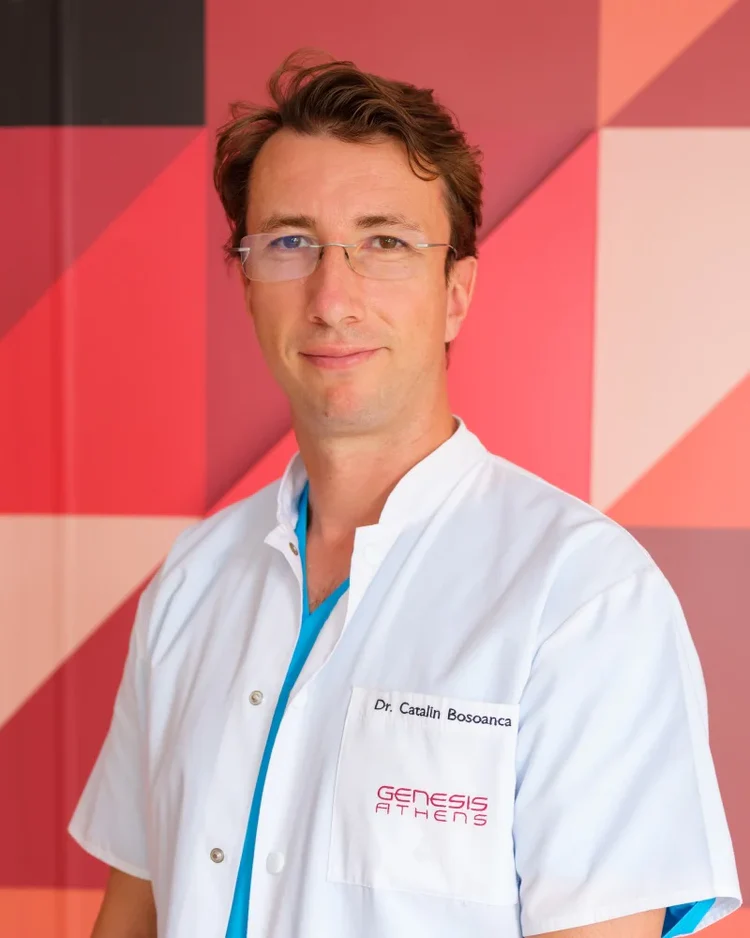
Dr. Catalin Bosoanca

Primary Obstetrics-Gynecology Physician

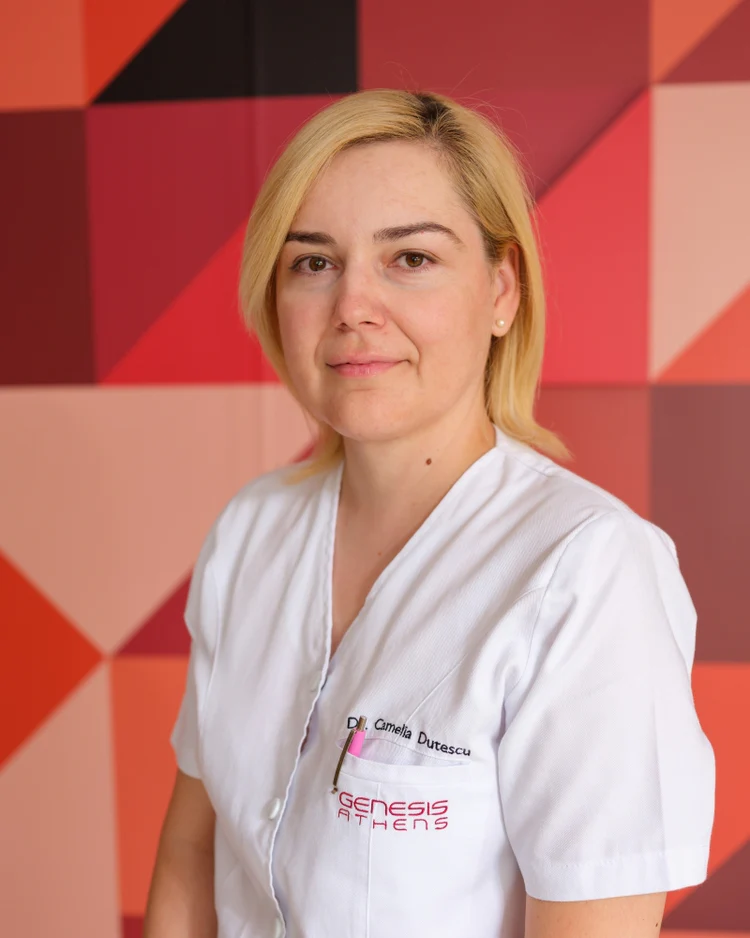
Dr. Camelia Duțescu

Primary Obstetrics-Gynecology Physician

Dr. Arben Zguri

Primary Obstetrics-Gynecology Physician

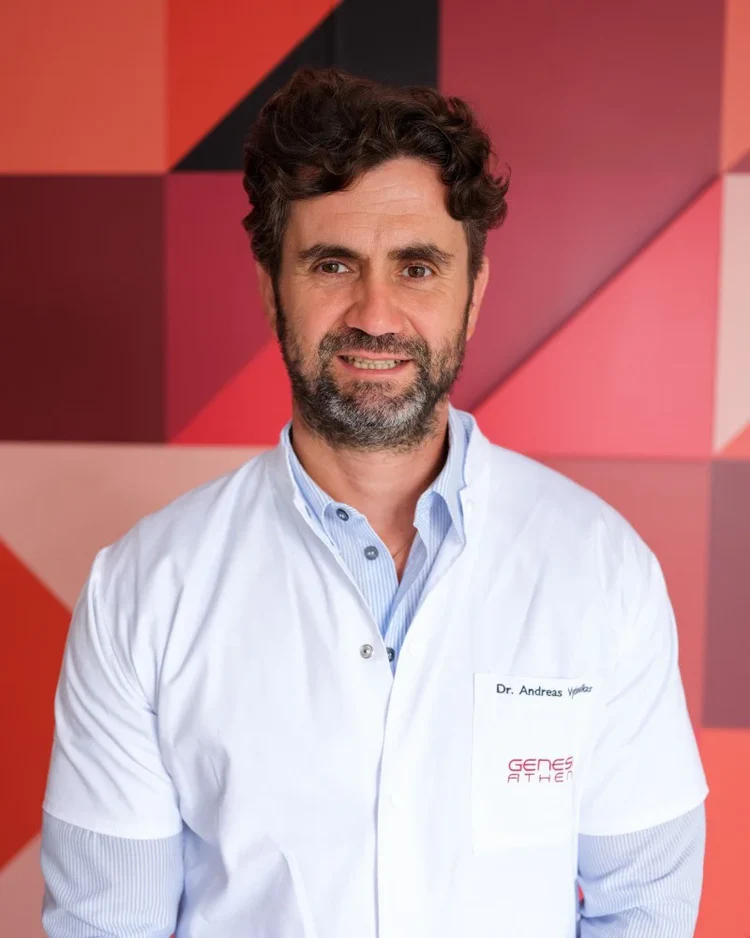
Dr. Andreas Vythoulkas

Obstetrics-Gynecology Specialist

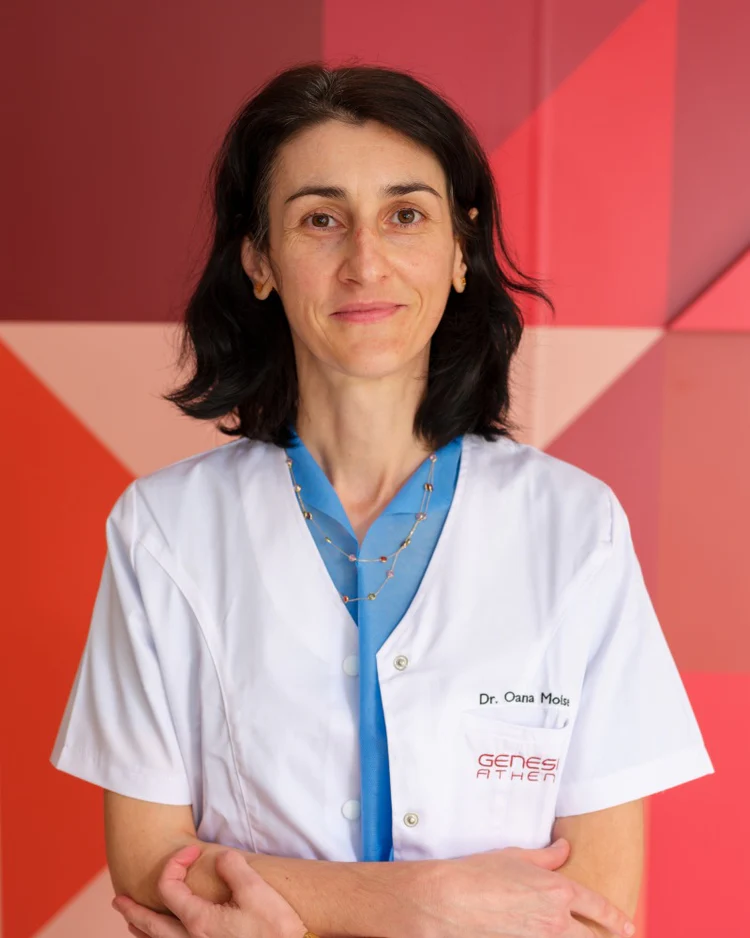
Dr. Oana Moise

Primary Obstetrics-Gynecology Physician

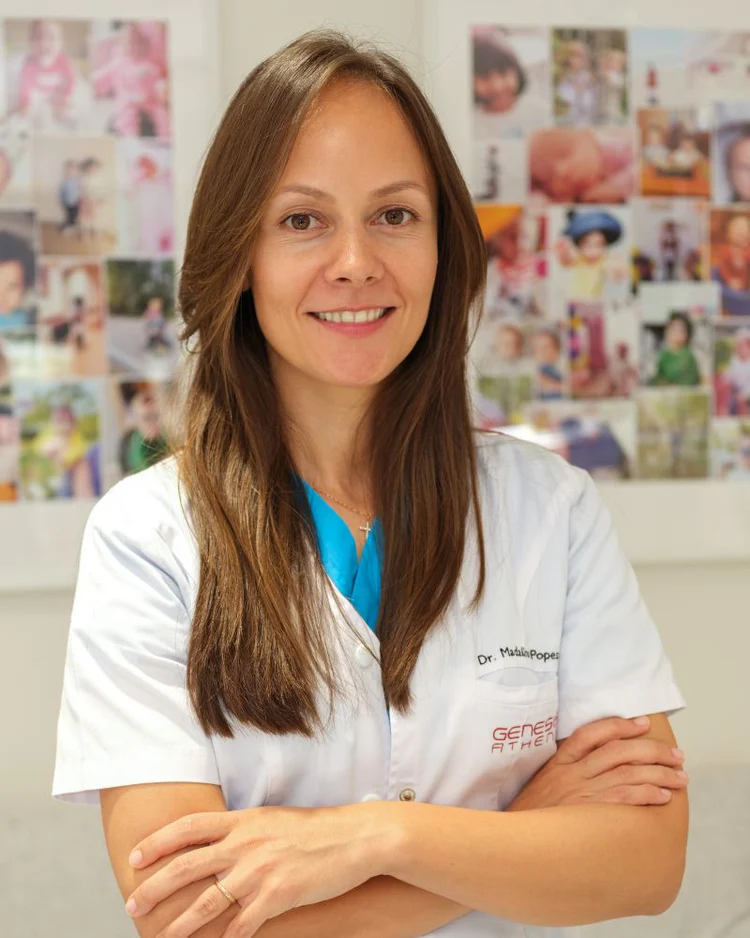
Dr. Madalina Popescu

Obstetrics-Gynecology Specialist

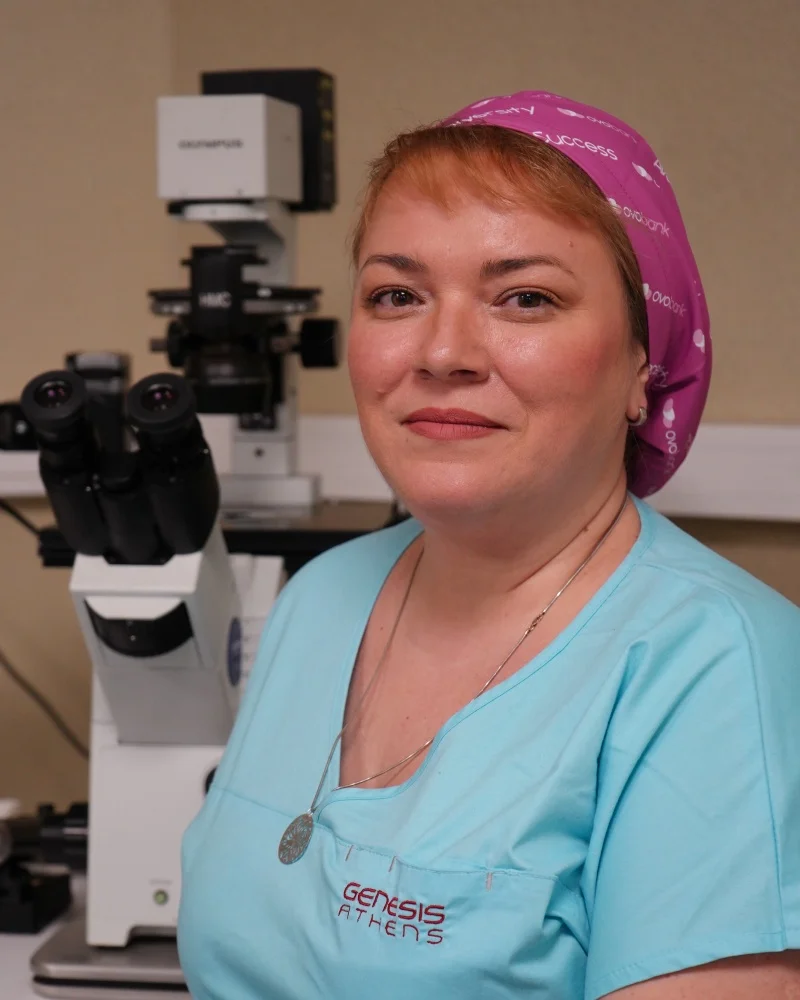
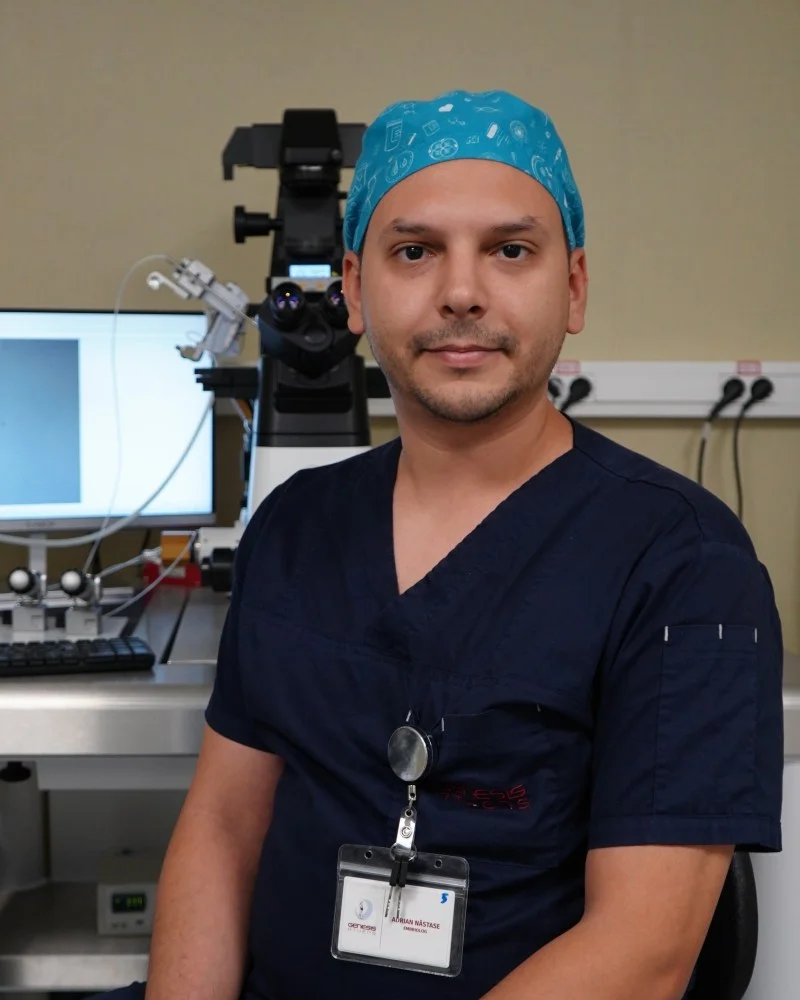
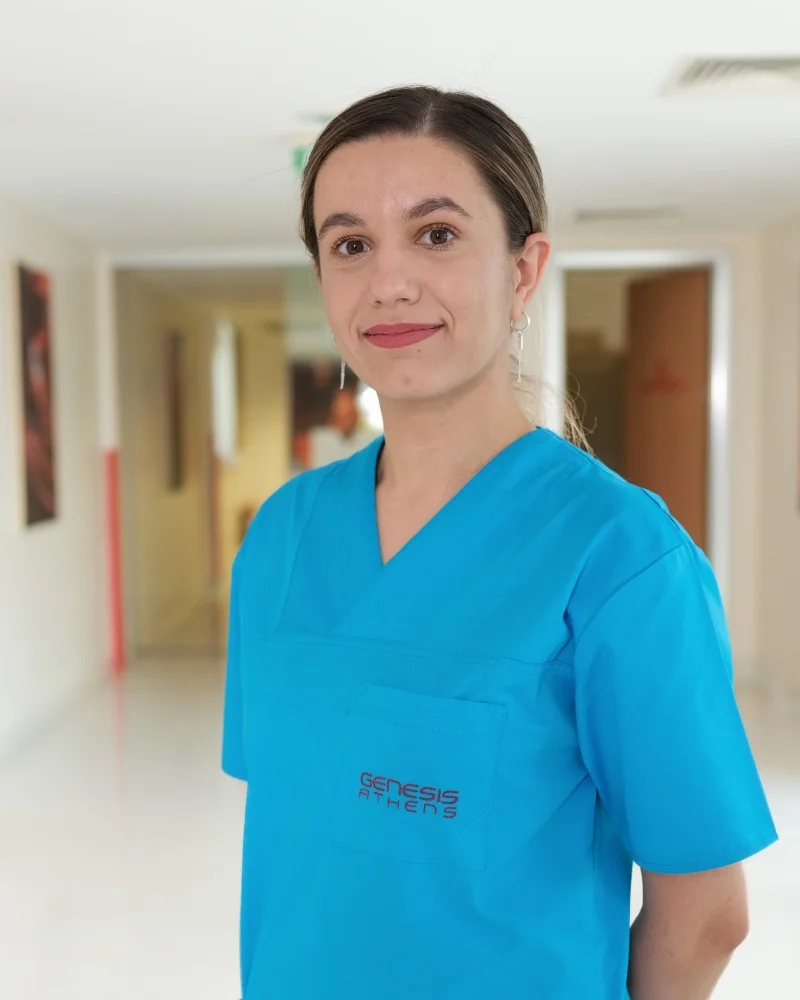
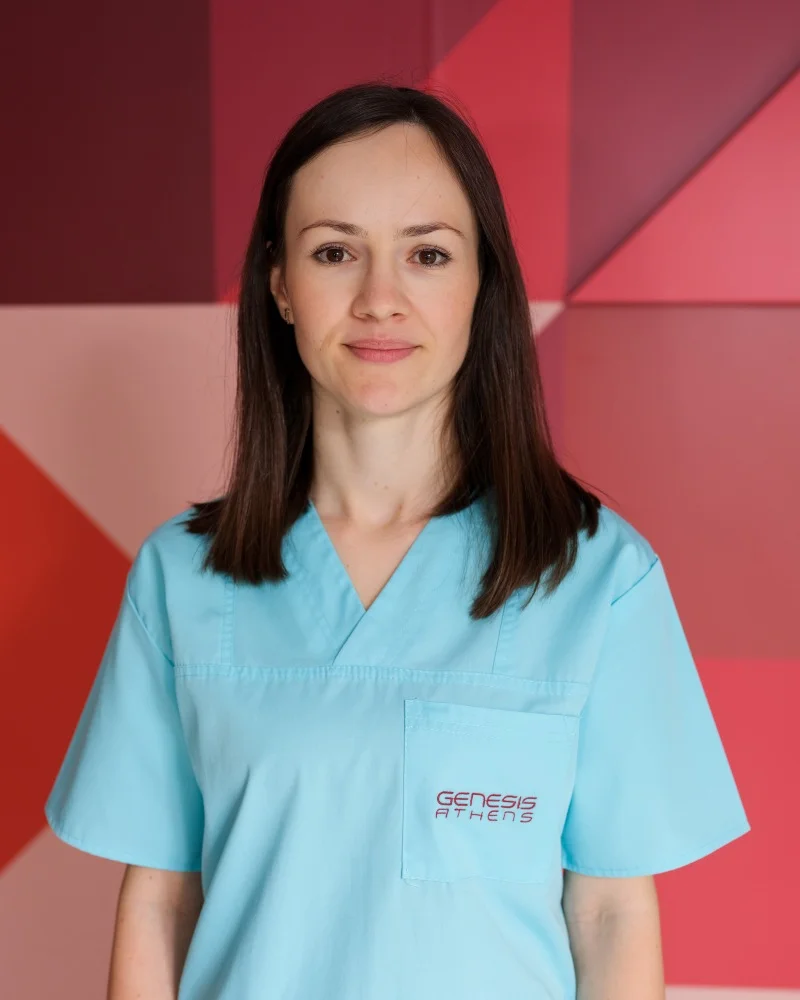
Embryologists IVF Laboratory

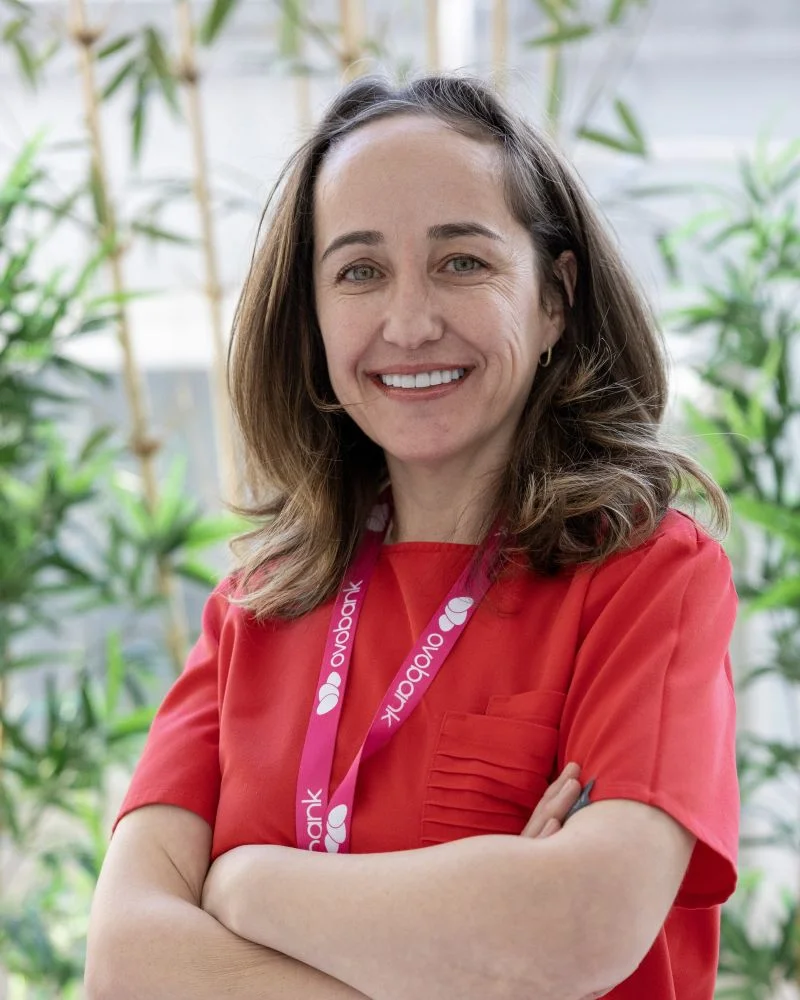
eri-Chrysoula-embriolog-senior-laborator-fiv-spitalul-metropolitan-bucuresti

Chrysoula Karaleftheri

Senior Embryologist with ESHRE Certification

nastase-atena-embriolog-sef-laborator-fiv-spitalul-metropolitan-bucuresti

Athena Nastase

Senior Embryologist with ESHRE Certification

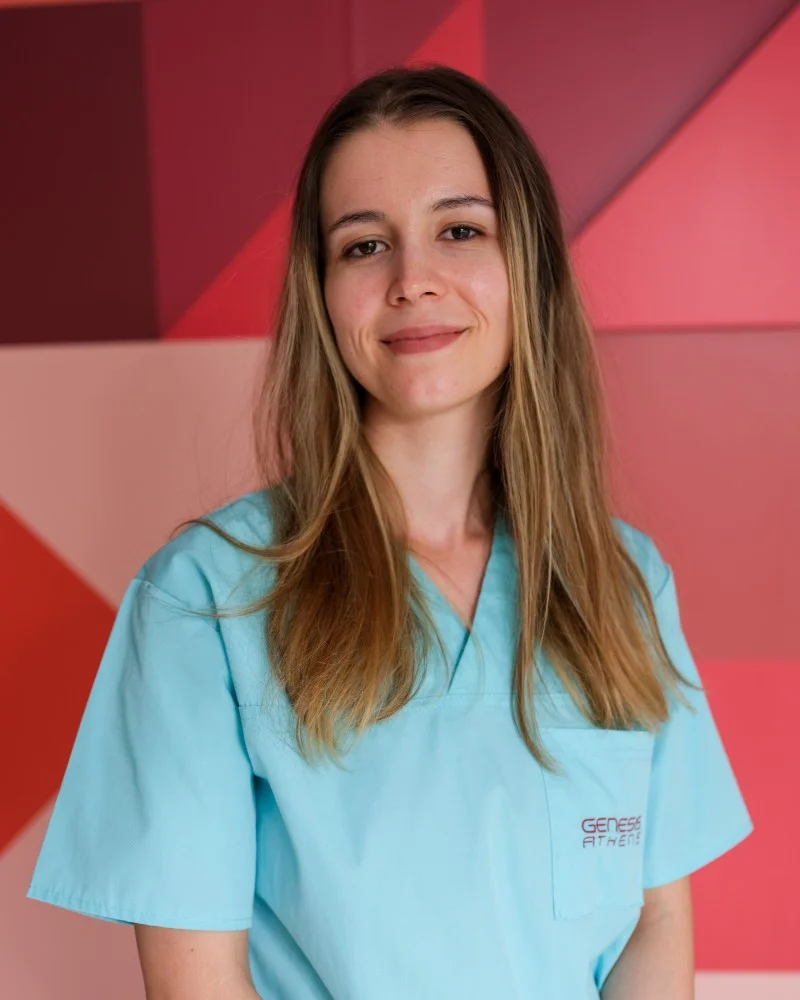
nastase-mihai-adrian-embriolog-laborator-fiv-spitalul-metropolitan-bucuresti

Mihai Adrian Nastase

Medical Biologist Specialist

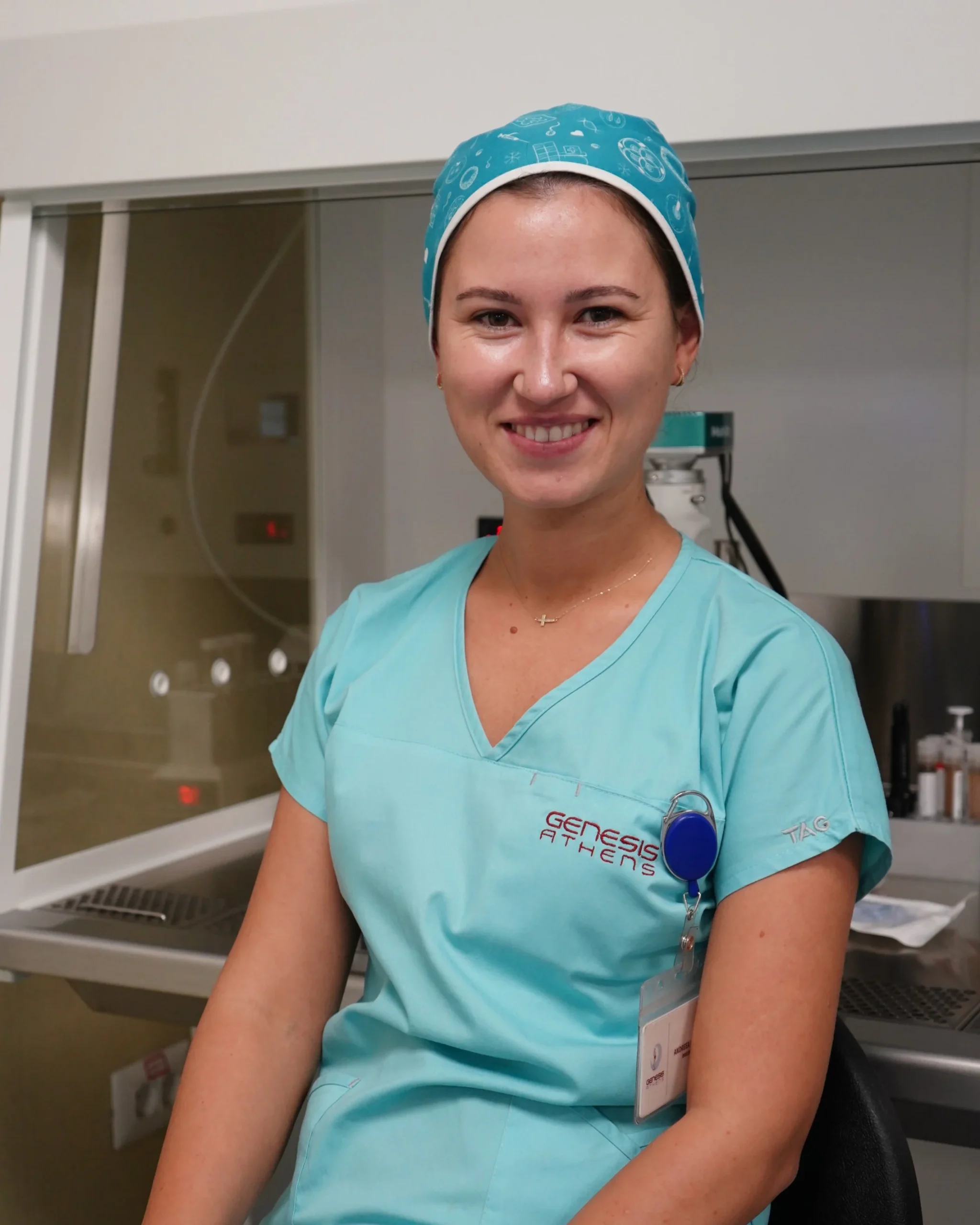
nicoleta-capet-biolog-embriolog-laborator-fiv-spitalul-metropolitan-bucuresti

Nicoleta Capet

Medical Biologist Specialist

nedelcu-diana-genetica-si-biologie-moleculara-embriolog-laborator-fiv-spitalul-metropolitan-bucuresti

Diana Nedelcu

Biologist Specialist in Genetics and Molecular Biology

ciulache-maria-biolog-embriolog-laborator-fiv-spitalul-metropolitan-bucuresti

Maria Ciulache

Medical Biologist Specialist

coman-cristina-biochimist-embriolog-laborator-fiv-spitalul-metropolitan-bucuresti

Cristina Coman

Biochemist

chita-andreea-biolog-embriolog-laborator-fiv-spitalul-metropolitan-bucuresti

Andreea Chiță

Medical Biologist Specialist

sandra-tapoi-biolog-embriolog-laborator-fiv-spitalul-metropolitan-bucuresti

Sandra Tapoi

Biologist

The medical process in 3 simple steps

A clear, efficient and safe medical flow, so that each patient can easily understand and go through the stages of treatment.

1
Initial assessment
Medical consultation and investigations necessary to establish the diagnosis.
2
Personalized therapeutic plan
Individualized recommendations: treatment, monitoring or minimally invasive/surgical intervention.
3
Fast recovery and maximum comfort
Procedures performed in maximum safety and recovery in boutique hotel-type accommodations, with dedicated assistance.

Obstetrics-Gynecology FAQ

1. What symptoms indicate that I should see a gynecologist?
Abnormal bleeding, persistent pelvic pain, irregular cycles, difficulty conceiving, pain during intercourse, or cysts/polyps shown on ultrasound.
2. When is it recommended to start infertility evaluation?
After 6–12 months of unsuccessful attempts or sooner if you are over 35 years old, have pelvic pain, irregular cycles, previous interventions, or suspected endometriosis.
3. What investigations are necessary at the first consultation?
Gynecological ultrasound, gynecological tests such as HPV, Pap test, blood tests (hormonal, inflammatory markers, etc.)
4. What is hysteroscopy and when is it indicated?
a minimally invasive procedure used to diagnose and treat endometrial polyps, intracavitary fibroids, uterine septum, synechiae, and other abnormalities of the uterine cavity.
5. In what situations is laparoscopy recommended?
For endometriosis, ovarian cysts, fibroids, adhesions, tubal pathology or when ultrasound shows an abnormality that requires direct evaluation.
6. How is endometriosis treated?
Through drug treatment, minimally invasive interventions, or advanced surgery in severe forms — depending on symptoms, severity, and the desire to achieve a pregnancy.
7. Do pregnancies achieved through IVF require special monitoring?
Yes. Specific protocols for prenatal screening, additional assessments in the first trimester, and detailed monitoring are recommended depending on the patient's profile.
8. What types of cancer are treated in gynecological oncological surgery?
Cervical, endometrial, ovarian, vulva cancer and suspicious breast tumors, with the support of the imaging, pathological anatomy and genetics team, for safe and personalized treatment.

IVF Laboratory FAQ

1. What does IVF mean and who is it for?
IVF is the procedure by which the fertilization of the oocyte takes place in the laboratory. It is aimed at couples with female, male or unexplained infertility.
2. What is the difference between IVF and ICSI?
In classic IVF, oocytes and sperm are put together in a controlled environment, while in ICSI a single sperm is injected directly into the oocyte.
3. How long does the complete process of an IVF cycle take?
On average 4–6 weeks, including stimulation, oocyte retrieval, fertilization, and preparation for transfer.
4. What are the real chances of success?
The success rate is influenced by a combination of factors such as age, the couple's medical history, etc. The IVF laboratory maintains a constant success rate, at European standards.
5. What is a blastocyst stage embryo?
It is the embryo that has reached day 5–6 of development, the optimal stage for selection and implantation.
6. What does PGT genetic testing involve?
Analysis of a few embryonic cells to detect chromosomal abnormalities before transfer.
7. Is embryo cryopreservation safe?
Yes. Vitrification is the standard method, with excellent thaw survival rate.
8. How important are laboratory conditions?
Critical: The quality of incubators, air and culture media, as well as the level of expertise of embryologists, directly influence the success rate.

Why Metropolitan Hospital

Clinical excellence and expertise
Top diagnostics, investigations and analyses
Focus on the patient's needs
Transparency and professional ethics

Contact us quickly and easily

Address
95-101 Seban Voda Street,
Bucharest, Romania
Contact us
Call center – 0219676
Monday – Friday: 09:00–17:00

Cardiology – 0726.297.272
Monday – Friday: 08:00–20:00

Orthopedics – 0746.223.500
Monday – Friday: 08:00–20:00
Contact us
Ambulance
Monday-Friday: 08:00-20:00
Saturday: 07:00-12:00

Collections
Monday-Friday: 07:00–16:30
Saturday: 07:00–10:00
x

Contact us

Call us if you need help.

Call center

021 9676
Monday – Friday: 09:00–17:00

Cardiology

0726 297 272
Monday – Friday: 08:00–20:00

Orthopedics

0746 223 500
Monday – Friday: 08:00–20:00

Ambulance

Monday – Friday: 08:00-20:00
Saturday: 07:00-12:00

Collections

Monday – Friday: 07:00-16:30
Saturday: 07:00-10:00